Third Place: Definition
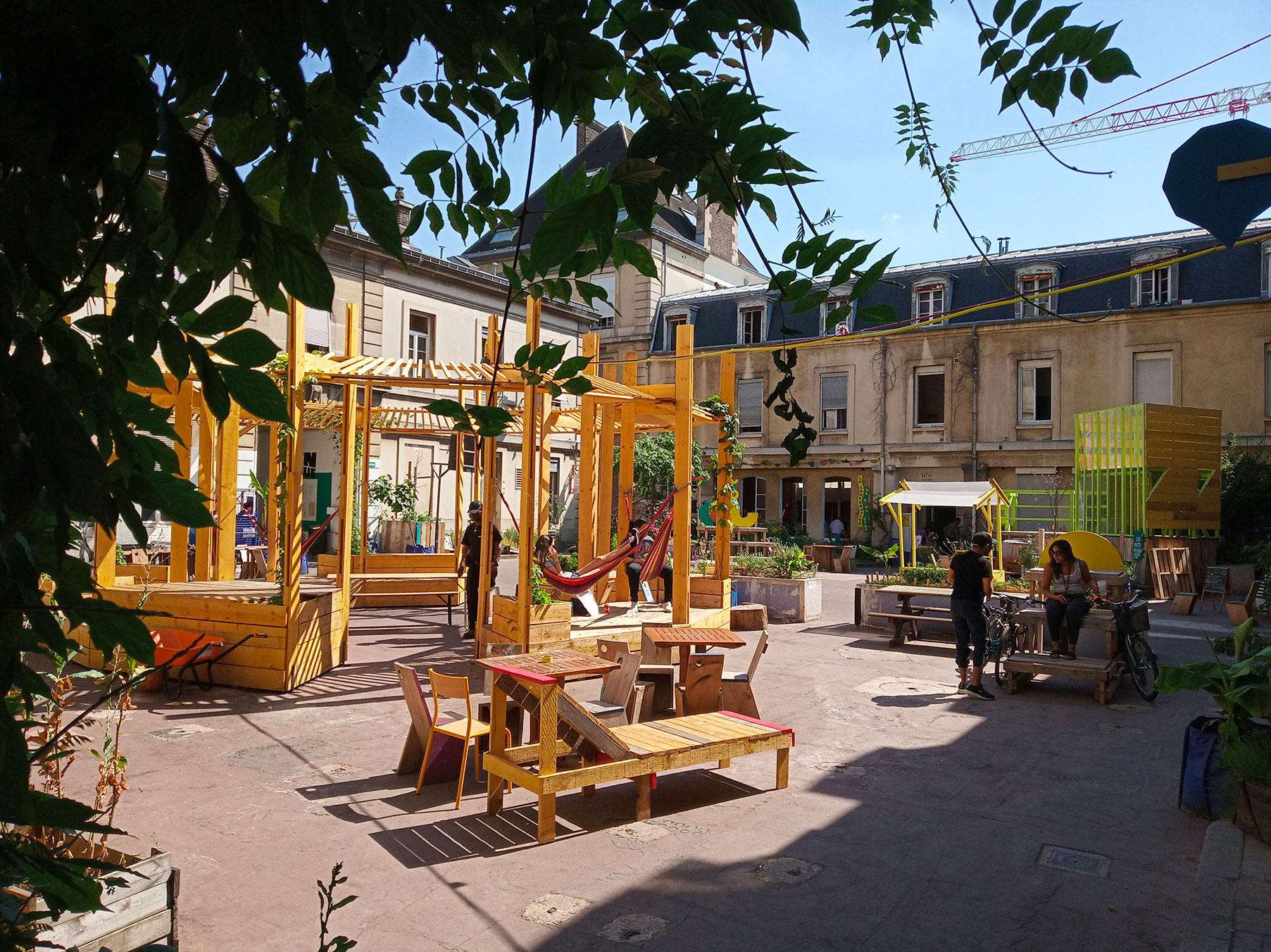
Third places are characterized by their ability to share spaces and skills, while fostering connections and innovation. It was in the 1980s that American sociologist Ray Oldenburg first defined the term “third place”: an informal space located outside the home (first place) and the workplace (second place), fostering spontaneous gatherings. Taking the form of collaborative workspaces, fablabs, rehabilitated urban brownfields, or mixed-use spaces combining offices and emergency housing, these “working together” spaces are catalysts for innovation, thanks in particular to their shared spaces, which foster encounters and collaboration. Initially found in major cities, these hybrid spaces are now spreading to rural areas, small and medium-sized towns, and suburban neighborhoods.
Lacking a standard model, they take shape according to the needs of citizens, businesses, and local characteristics. Open to all, they serve as a space for experimentation with a new vision for fostering innovation and creating value across regions. For example, solidarity-based third places are defined by a strong social mission, promoting citizen participation, the social and solidarity economy, and democratic transitions, while offering discovery and training services and supporting local community projects.
Plateau Urbain: Community-Focused Third Places Based on Temporary Occupancy
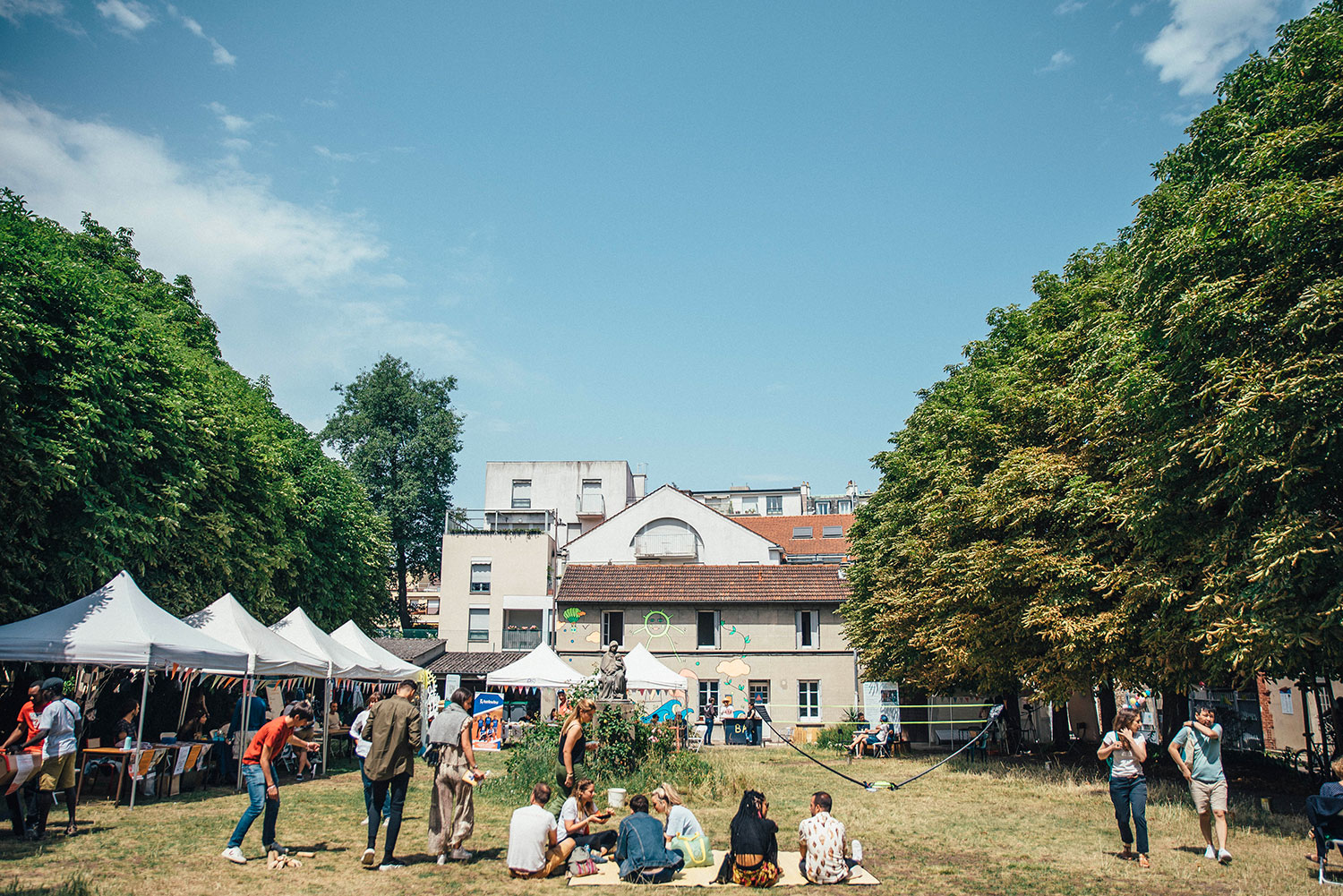
The Plateau Urbain cooperative offers to assist property owners
in creating third places within their vacant buildings. These spaces are distinguished by their ephemeral nature. They are established in temporarily vacant premises, often slated for future renovation; as such, they constitute temporary occupations lasting anywhere from a few months to several years. Temporary occupation is a concept closely related to that of transitional urbanism
, which operates on a larger scale—such as that of a neighborhood, for example. The goal is therefore to occupy the city’s temporal gaps in order to breathe new life into unused spaces, while helping to revitalize a building, a street, a neighborhood, and the surrounding area.
Thus, the third places established and managed by Plateau Urbain function as agile incubators, temporarily introducing collective dynamics into previously neglected spaces, while more deeply stimulating social and economic innovation within the local community.
Working in a third place: a positive experience for young organizations
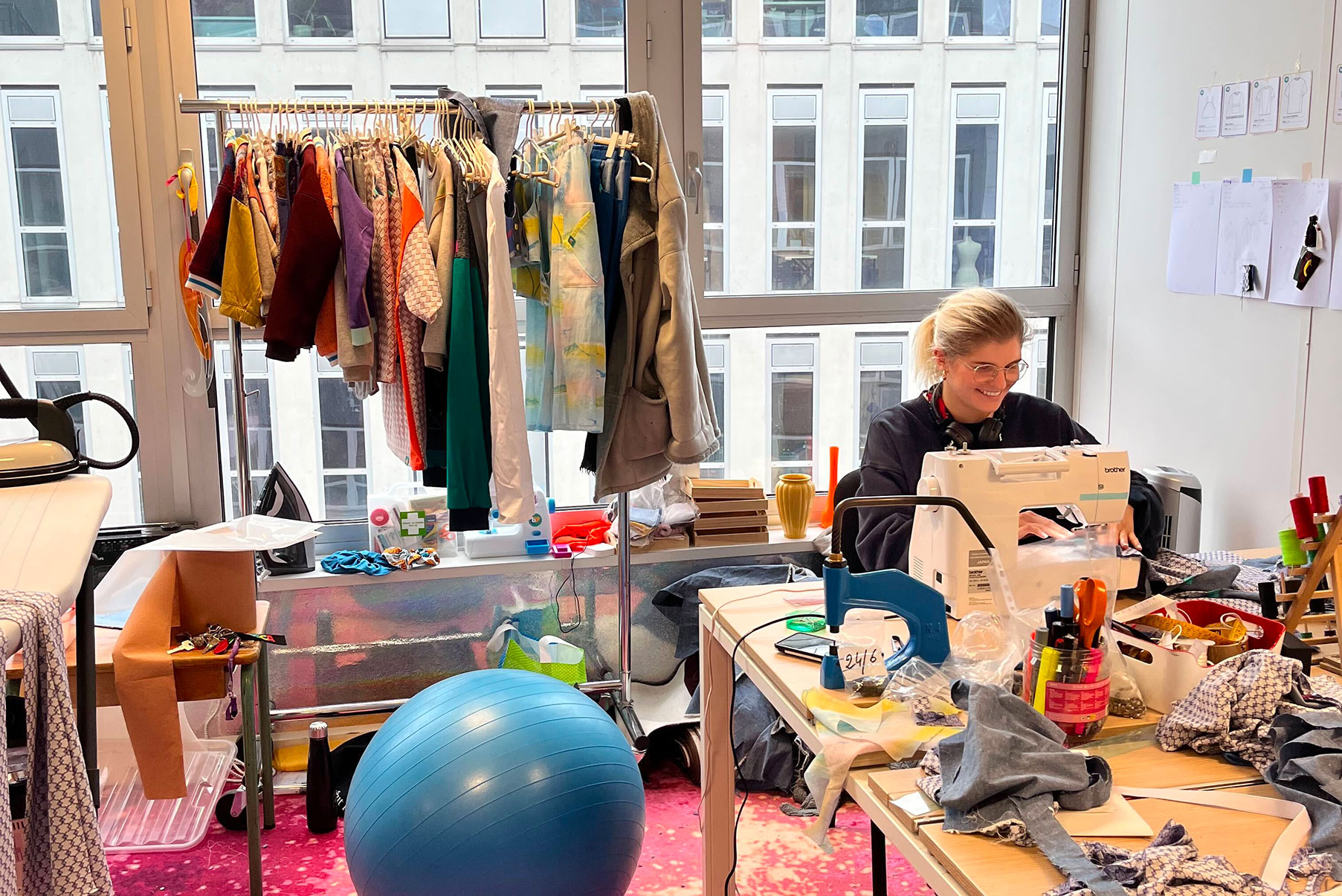
Transitional third places represent a real estate opportunity, offering low-cost facilities. For most occupants of spaces managed by Plateau Urbain, this is their first opportunity to set up shop, meeting a significant demand for affordable spaces. In addition to the economic benefits, social interactions and the diversity of occupants are essential. Common areas and site managers play a key role in fostering a sense of community and professional collaboration. Finally, the third-place ecosystem is appealing, with a majority of occupants wishing to repeat this positive experience.
The third places opened by Plateau Urbain
The spaces that the cooperative
develops and manages come in a variety of forms thanks to collaborations with various partners and property owners. Whether they are public authorities, institutional investors, private homeowners, or social housing providers, these spaces are tailored to projects defined according to available resources and needs. Some, such as Les Grands Voisins and Les Cinq Toits in Paris, as well as Coco Velten in Marseille and Les Grandes Voisines in Lyon, incorporate emergency housing and professional activities, promoting the breaking down of barriers between different groups and sectors. Others, such as Espace Voltaire (Paris) and La Halle Girondins (Lyon), consist solely of workspaces and sometimes retail spaces, offering temporary space to priority beneficiaries such as artists, artisans, entrepreneurs, and leaders of community projects.
The occupants
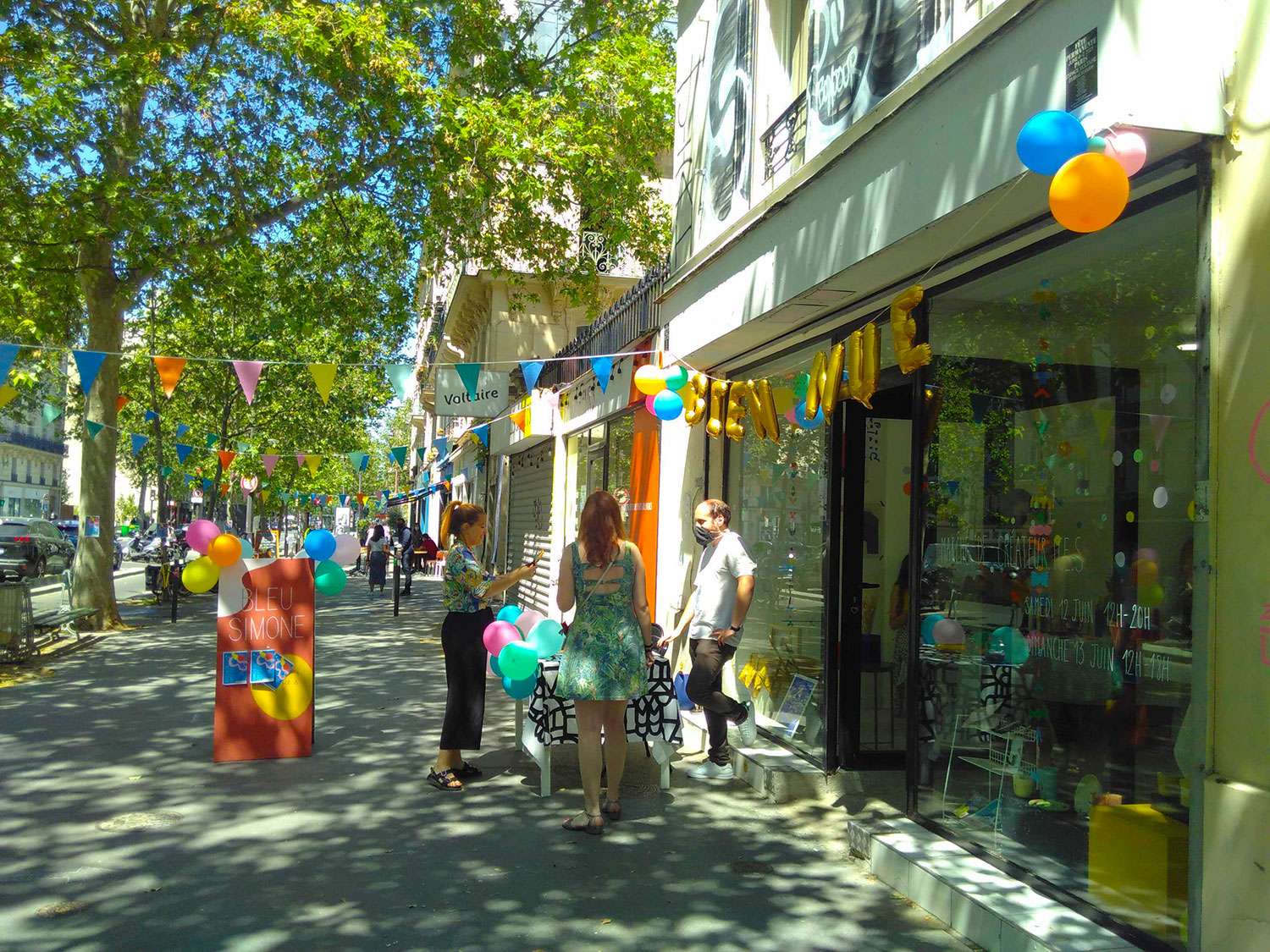
In 2020, Plateau Urbain, in partnership with the University of Leuven, surveyed the occupants of 15 temporary spaces. This analysis provided a better understanding of the characteristics of these spaces, the occupants’ satisfaction, their interactions, and their future housing needs. The results highlight a diversity of activities, including associations, businesses, self-employed individuals, and workers affiliated with the Maison des Artistes. Most of the organizations are young, confirming the effectiveness of the temporary occupancy model in supporting the creation of new ventures. They include painters, jewelry designers, eco-entrepreneurs, microbrewers, sculptors, publishers, chocolatiers, graphic designers, film producers, dancers, and web developers: meet the occupants who bring our third places to life!
Life in Third Places
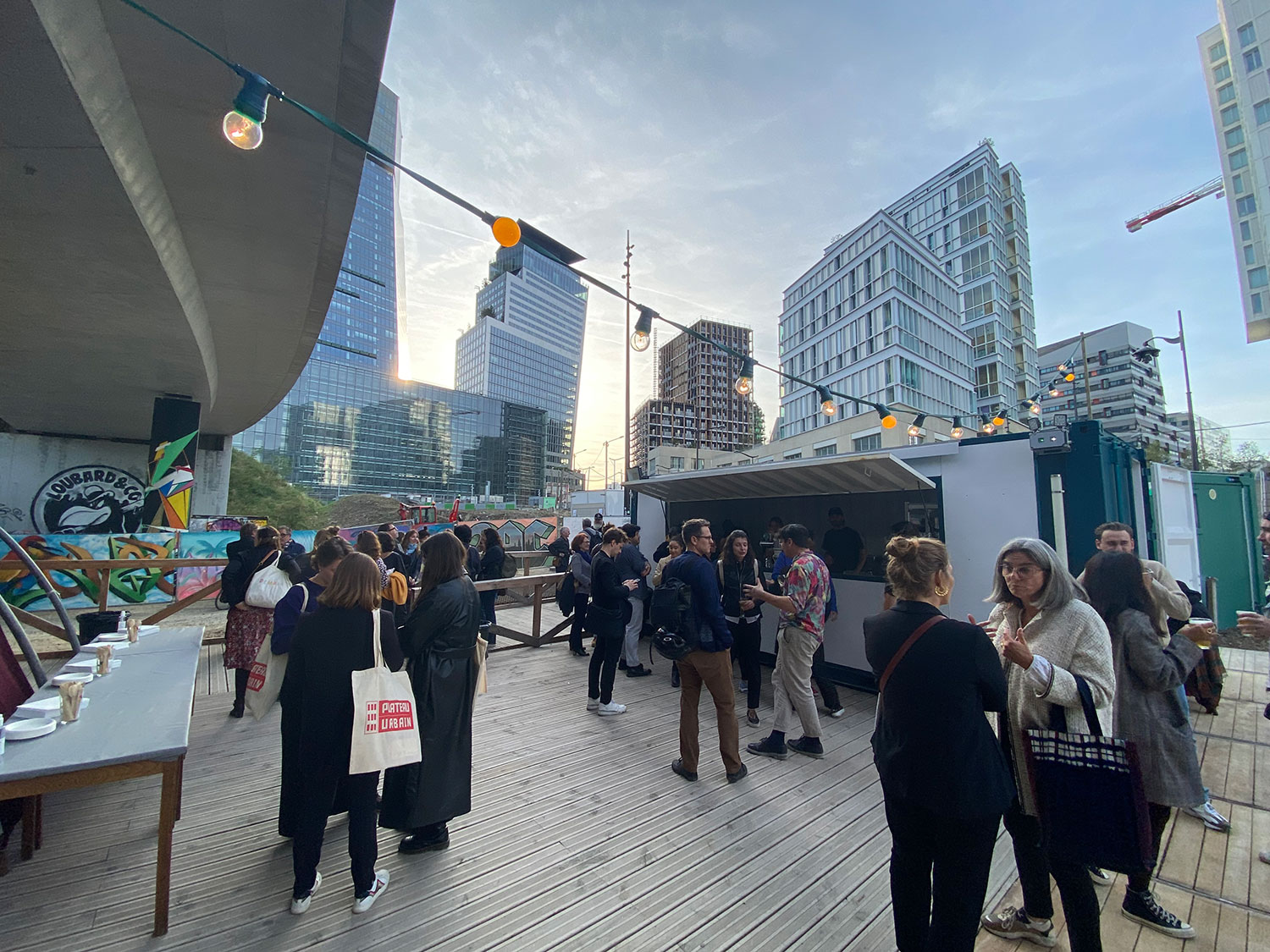
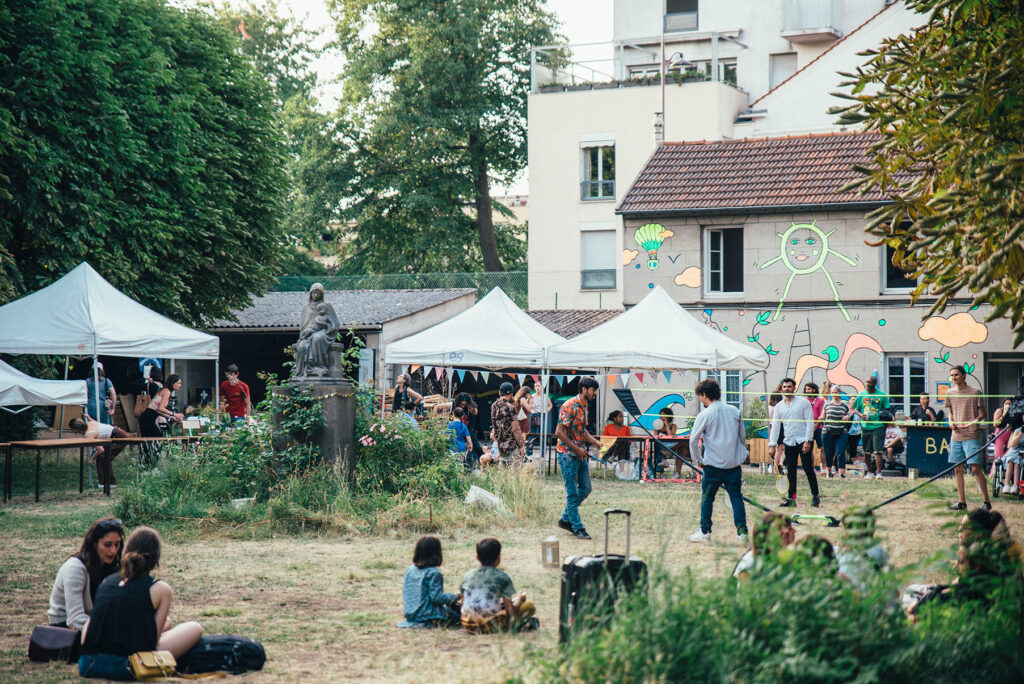
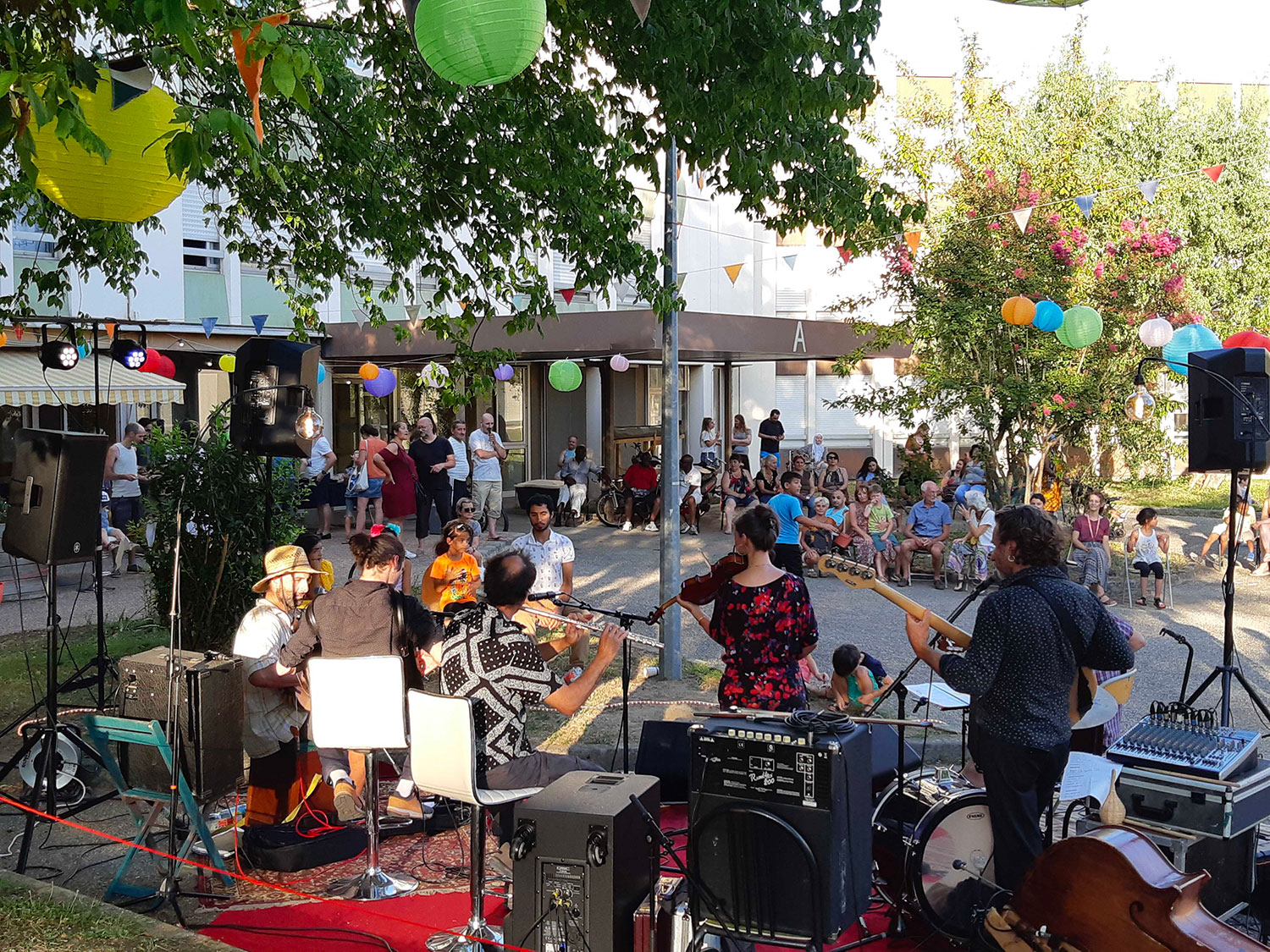
Since its inception, Plateau Urbain has adopted an open approach to event programming, making room for a wide variety of activities and audiences. Whether they are conferences, open houses, concerts, or exhibitions, these events foster dialogue and collaboration among the residents. Responsibility for managing the programming lies with the resident organizations, thereby contributing to great diversity and a vibrant community life.