Transitional urbanism: definition
Transitional urban planning is one of the promising solutions for vacant spaces in the city.
Transitional urbanism: definition and origins
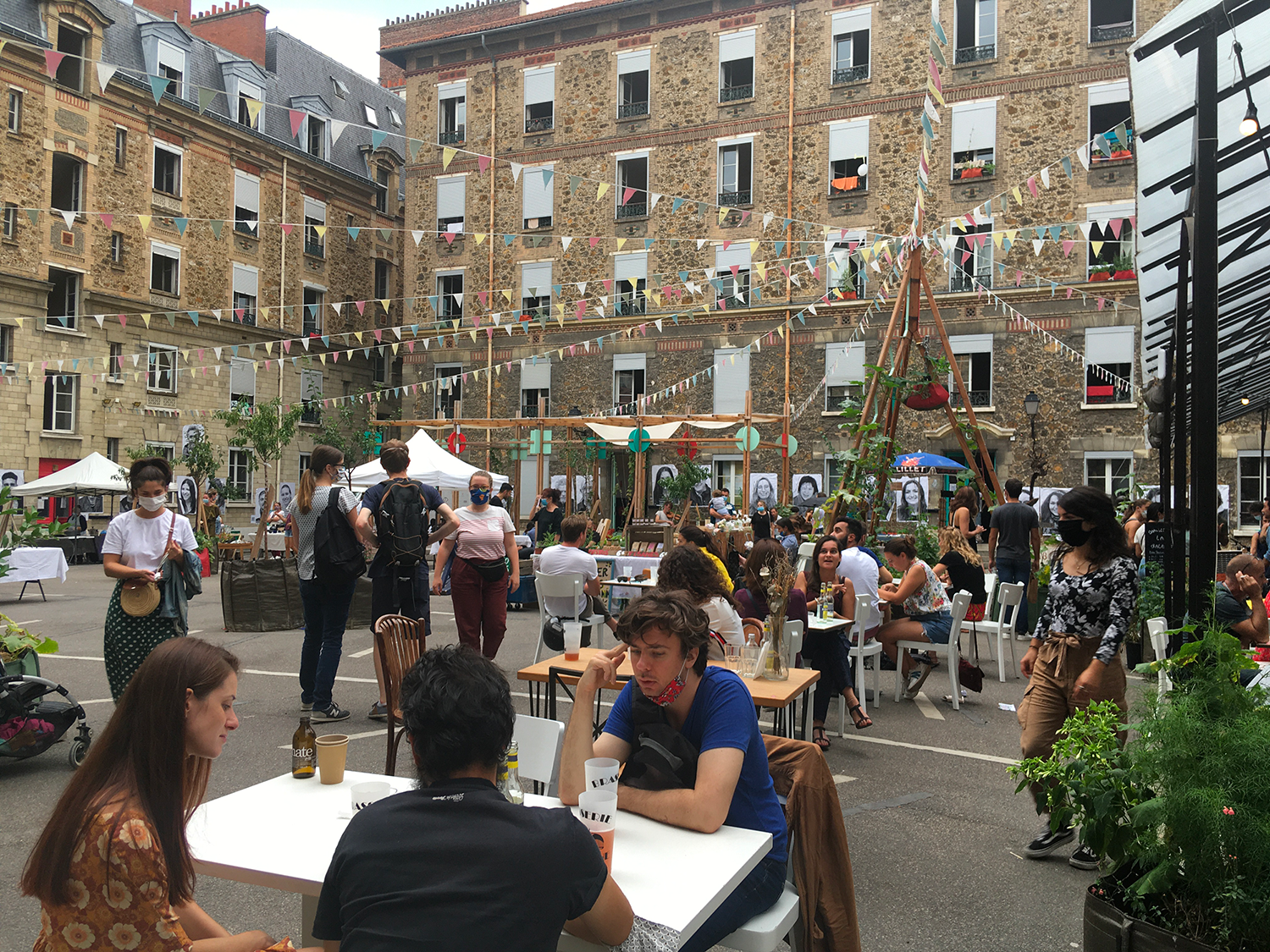
Participatory projects for sustainable transformation
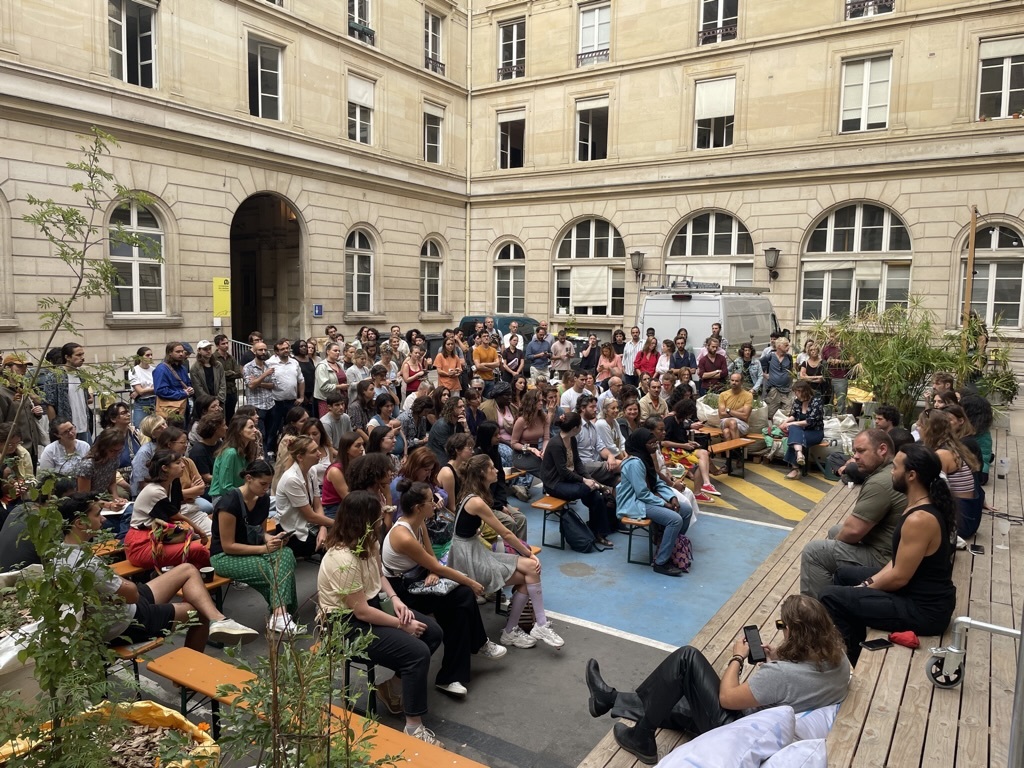
Transitional urban planning: the case of the Lyon metropolitan area
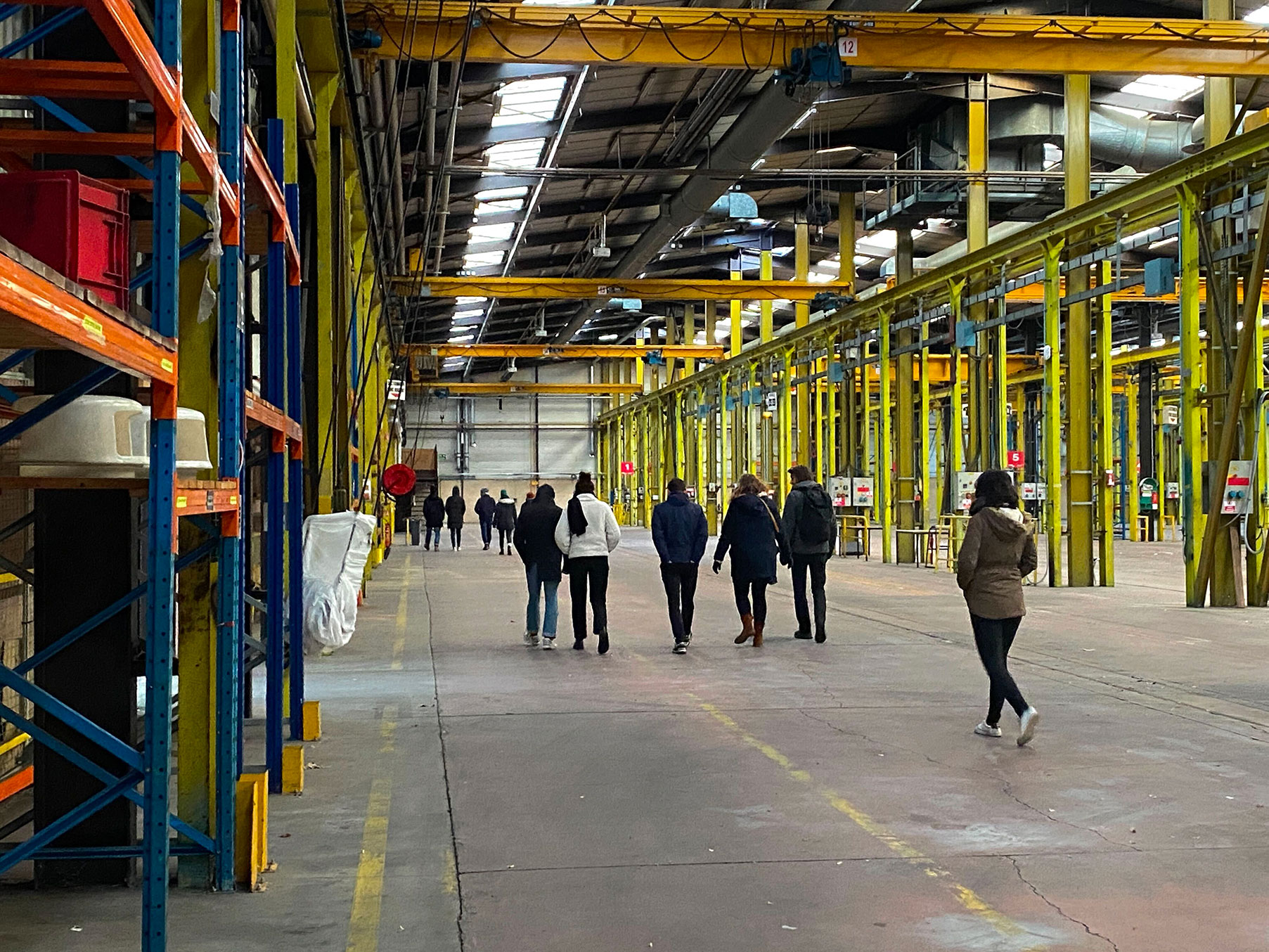
In 2020, the Plateau Urbain cooperative, in partnership with Intermède, collaborated with Grand Lyon Métropole to help it move beyond initial experiments in temporary land use and define a transitional urban planning strategy for the entire metropolitan area. This initiative aims not only to assess the concrete impacts and benefits of such projects through practical implementation but also to foster collective learning.
The goal is to build capacity and increase the autonomy of the stakeholders involved. A key element of this approach is the careful consideration of the local context of intervention and the specific needs of each site, which forms the core of the initiative.
The studies that can be conducted thus situate the transitional approach within broader reflections across space and time, thereby contributing to an urban fabric that is no longer merely temporary but rather a precursor to the future.
How does transitional urban planning support public policy?
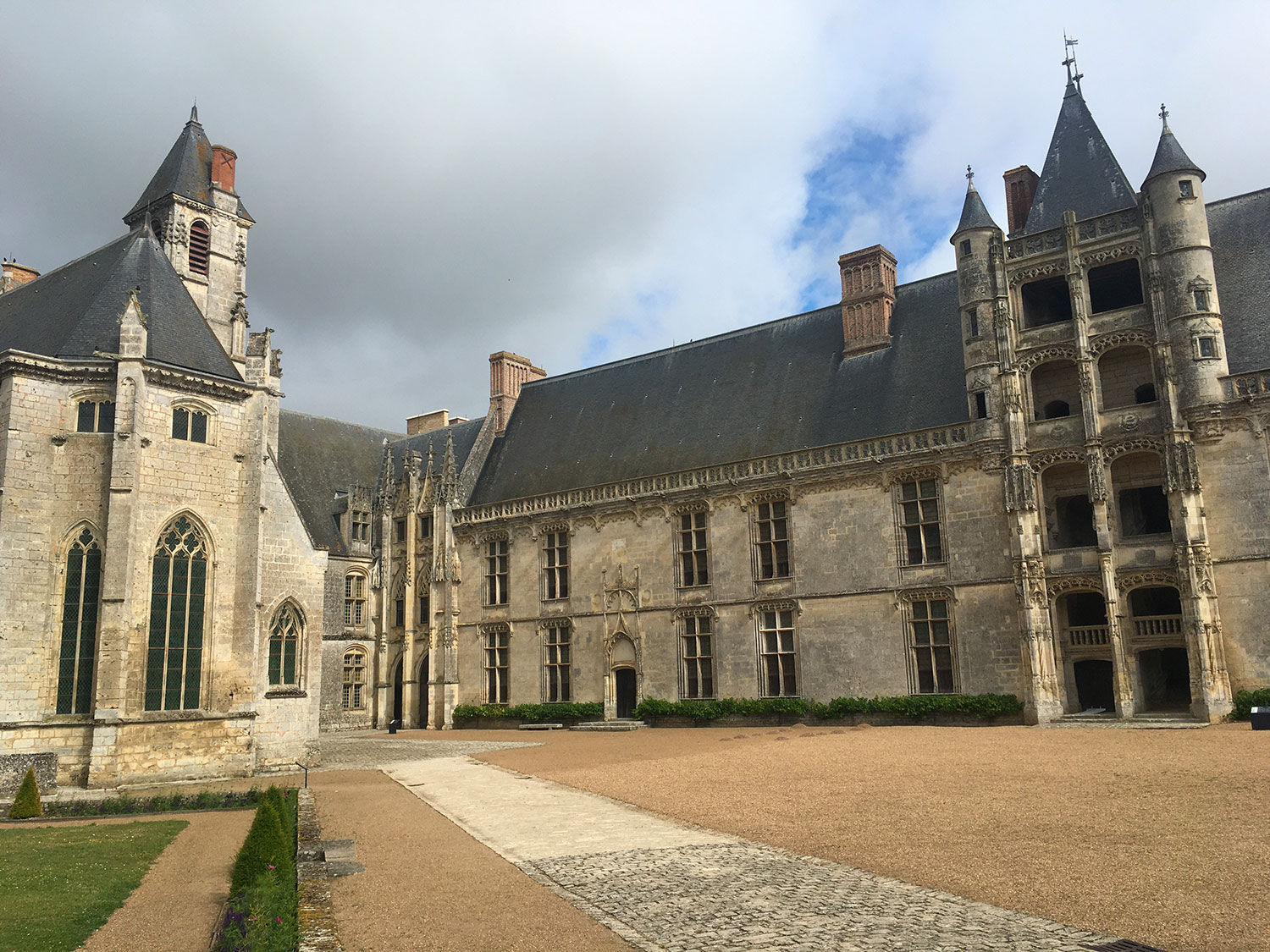
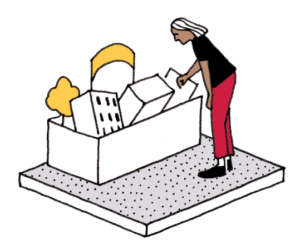
- Within the framework of heritage policy, it aids in the maintenance, preservation, redevelopment, and reintroduction to the market of neglected spaces.
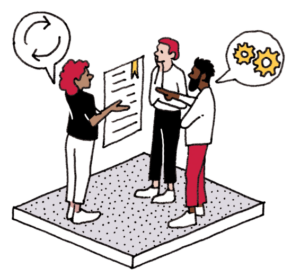
- In support of urban planning policies, it serves as a response to more environmentally friendly urban planning and as a catalyst for urban transformation through the previewing of future projects.
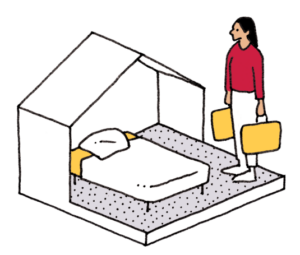
- For reception and hospitality policy, it offers a solution for providing shelter and addressing immediate needs, particularly regarding emergency housing.
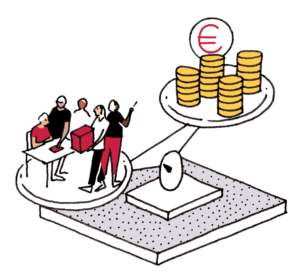
- In the context of economic policy, it emerges as a short-term real estate solution, suited to startups as well as low-profit activities of general or local interest.
Challenges for the future
Today, transitional urbanism is gaining institutional recognition, attracting the interest of various public and private stakeholders. However, this institutionalization poses the challenge of maintaining the flexibility and customization inherent in this practice. By evolving toward an even more participatory, diverse, and thoughtful approach, it could become an essential lever in urban development. However, economic issues in particular call for constant vigilance to ensure its viability.
As transitional urbanism gains traction, the challenge remains to strike a balance between institutional structure and creative flexibility, in order to build cities that are increasingly sustainable and inclusive.

Are you looking for a place to grow your business?
Learn more
In 2023, Plateau Urbain celebrated its 10th anniversary!
To mark the occasion, the cooperative is organizing a series of talks called “Les Conversations.” Members and partners of the cooperative explore issues related to transitional urbanism, third places, and social housing.
Listen to the Conversations as podcasts below.
In the face of substandard housing, what role should transitional urban planning play?
Various transitional urban planning projects have experimented with programs that combine emergency housing with other activities: workshops, offices, food services, public reception areas, cultural and festive events, and more. These so-called “mixed-use” projects are reshaping perceptions of both urban social emergency services and the people they serve.
A conversation moderated by Angèle de Lamberterie, Director of Development at Plateau Urbain, featuring Frédérique KABA, Director of Social Missions at the Abbé Pierre Foundation; Florian GUYOT, Executive Director of the Aurore Association; and Marion Veziant-Rolland, Director of Foyer Notre Dame des Sans Abri.
Transitional Urban Planning: New Roles for an Emerging Field?
Third places have created a need for so-called “Swiss Army knife” or “non-traditional” profiles. The skills required for these new professions are as broad as they are vague, lying at the intersection of several fields of study and at the crossroads of different career paths. How are these new practices redefining traditional professions?
A conversation moderated by Alexandre Joao Simao, Site Manager at Plateau Urbain, featuring contributions from Juliette Pinard, Cultural Engineering Project Manager at Le CENTQUATRE-PARIS, Alice Gendre, Site Manager at Opale, Plateau Urbain, Elsa Buet, Coordinator of the university degree program “Common Spaces – Design, Implementation, and Management,” Yes We Camp, and Claire De La Casa, Project Manager for Transitional Urbanism & Innovation at Novaxia.
What can transitional urban planning do for urban policy?
Temporary uses of public spaces or buildings are sometimes employed in the revitalization of these priority neighborhoods. But to what end, and with what results?
A conversation moderated by Mathias Rouet, Director of Studies at Plateau Urbain, featuring contributions from Adrien Gros, Director of Urban Planning at Aquitanis; Julien Solo, Deputy Director in charge of urban renewal at CDC Habitat, Étienne Delprat, architect and researcher, YA+K, Julie Ginesty, coordinator of the transitional urban planning initiative, EPT Est Ensemble, and Hélène Gros, Project Manager for Steering and Innovation, ANRU.
Can property promote the right to the city?
Social housing organizations own real estate and rent it out at below-market rates. Their goal is to ensure everyone’s right to use the city and to make housing more accessible to all.
A discussion moderated by Paul Citron, member of the Plateau Urbain expert panel, featuring contributions from Alexandre Born, CEO of Foncière Bellevilles; Fanny Cottet, PhD candidate at the Laboratoire Géographie Cités, Panthéon-Sorbonne University; Sarah Fryde, Project Manager at Foncière Base Commune; and Louis Henaux, Director of Housing at the Fédération Habitat & Humanisme.
Transitional urban planning: a means of experimentation for public policy?
While “regulatory” urban planning is closer to traditional planning, “transitional” urban planning is distinguished by its direct link to action, by the fact that it directly tests uses at scale through the availability of vacant but usable spaces. Could this be a “new” method for experimenting with public action in an increasingly complex environment?
A conversation moderated by Franck Faucheux, partner at Plateau Urbain and member of the Supervisory Board, featuring contributions from Marthe POMMIE, Director of the “New Places, New Connections” program at ANCT; Emmanuelle SIBUE-ALLART, Project Director for Transitional Urban Planning at the Lyon Metropolis; Alexandre MUSSCHE, Co-founder & Designer at Vraiment Vraiment, Jérôme MASCLAUX, Executive Director at EPAURIF, and Valérie SENGHOR, Deputy Executive Director at the Centre des monuments nationaux.
What Does the Future Hold for Transitional Urban Planning? An International Overview
A journey from city to city to explore their geographical, demographic, and political characteristics, and the responses provided by local transitional urban planning stakeholders.
A conversation moderated by Maxime Zait of Communa (Belgium), a member of Plateau Urbain, featuring Philémon Gravel, Executive Director, Entremise, Quebec City, Canada; Jérôme Massard, Ressources Urbaines, Geneva, Switzerland; and Karim Asry, Espacio Open, Bilbao, Spain.